
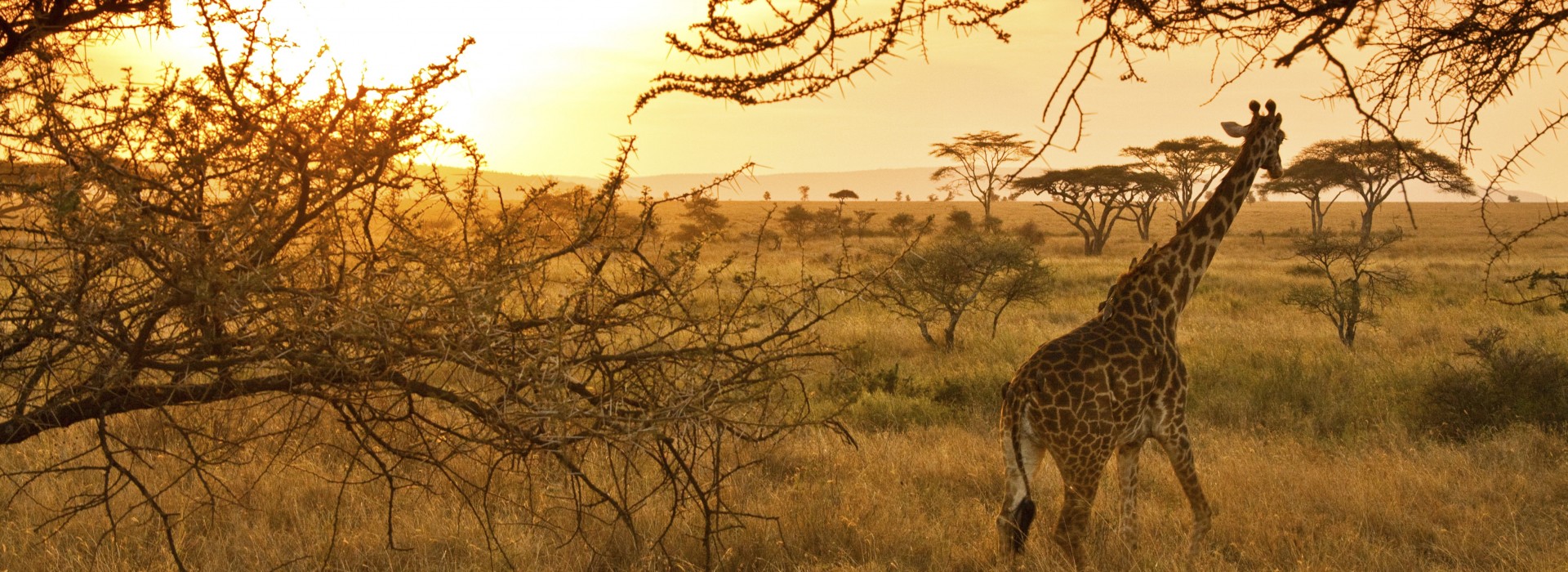
SERENGETI
Serengeti National Park, located in Tanzania, is one of the most renowned wildlife destinations in the world. Known for its vast savannahs, diverse wildlife, and the legendary Great Migration, this UNESCO World Heritage Site attracts thousands of visitors each year.
History of Serengeti National Park
Established in 1951, Serengeti National Park was created to protect the rich biodiversity and prevent human encroachment on its natural habitat. The park’s name comes from the Maasai word “Siringet,” meaning “endless plains.”
Geographical Location and Landscape
Where is Serengeti National Park?
Serengeti is situated in northern Tanzania, stretching over 14,750 square kilometers. It borders Kenya’s Maasai Mara to the north and Ngorongoro Conservation Area to the southeast.
Diverse Landscapes and Ecosystems
The park boasts a variety of ecosystems, including vast grasslands, acacia woodlands, and riverine forests, which support diverse wildlife.
The Great Migration: Nature’s Spectacle
What is the Great Migration?
The Great Migration is one of the most incredible wildlife spectacles on Earth. Over 1.5 million wildebeest, accompanied by zebras and gazelles, move in a circular pattern across the Serengeti and Maasai Mara in search of fresh grazing lands.
Best Time to Witness the Migration
The best time to see the migration depends on the specific event:
- Calving Season: January to March
- Grumeti River Crossings: May to July
- Mara River Crossings: July to October
Flora and Fauna of Serengeti
The Big Five and Other Iconic Wildlife
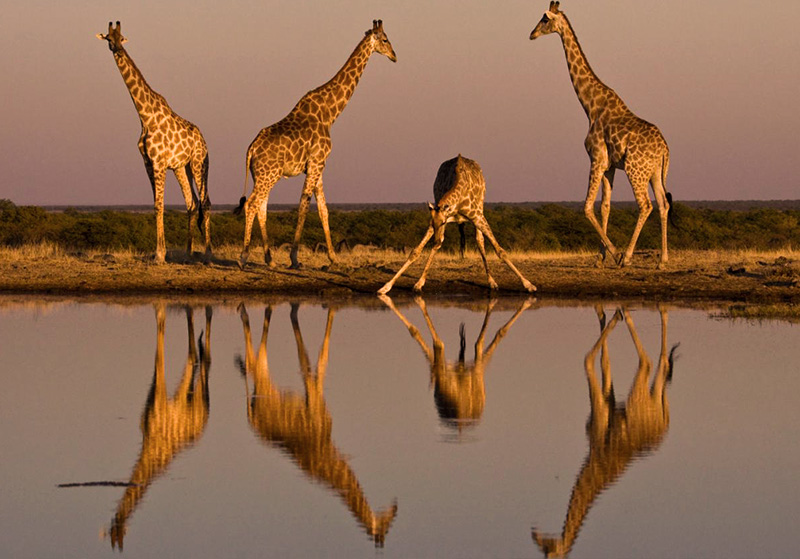
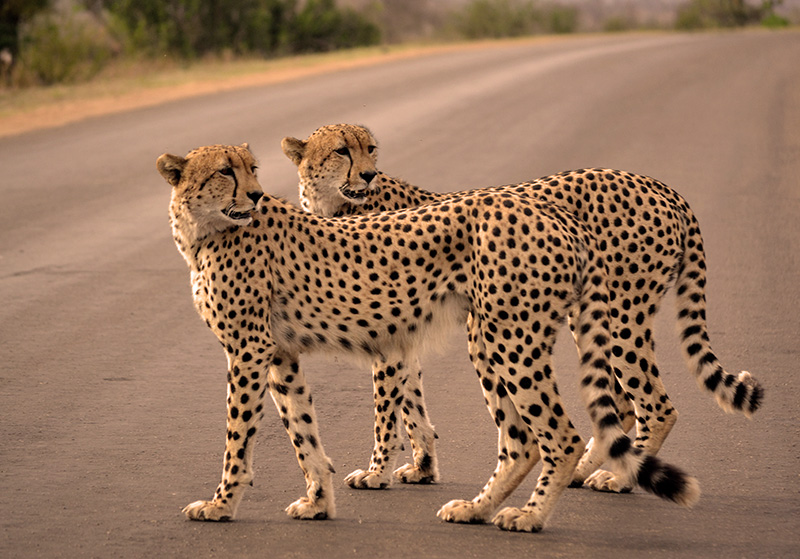
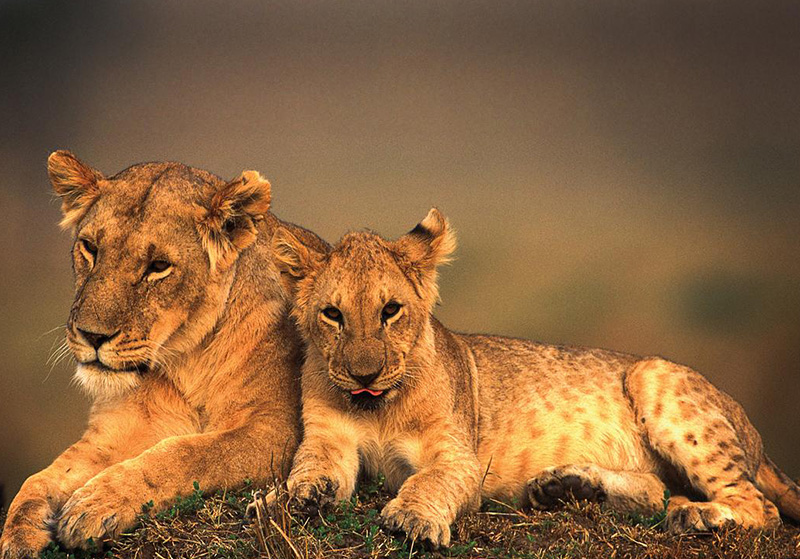
The Serengeti is home to the Big Five: lions, leopards, elephants, rhinos, and buffaloes, along with cheetahs, hyenas, and giraffes.
Bird Species in Serengeti
With over 500 bird species, including ostriches, eagles, and flamingos, the park is a birdwatcher’s paradise.
Unique Plant Life
The Serengeti ecosystem supports various plant species, from open grasslands to dense woodlands, offering a perfect habitat for different animals.
Best Activities in Serengeti National Park
Game Drives
Experience thrilling game drives to see predators in action and marvel at the diverse wildlife.
Hot Air Balloon Safari
For a bird’s-eye view of the Serengeti, a hot air balloon safari at sunrise is a magical experience.
Walking Safaris
Guided walking safaris offer a unique perspective, allowing visitors to explore the Serengeti on foot.
Cultural Tours with the Maasai People
Meet the indigenous Maasai people and learn about their culture, traditions, and way of life.
Best Time to Visit Serengeti
Dry Season vs. Wet Season
- Dry Season (June to October): Best for wildlife viewing.
- Wet Season (November to May): Lush landscapes and excellent birdwatching opportunities.
Month-by-Month Guide
- January to March: Calving season
- April to May: Green season with fewer tourists
- June to October: Peak safari season
- November to December: Short rains and fresh greenery
Accommodation Options
Luxury Lodges and Camps
Top choices include Four Seasons Safari Lodge, Singita, and Serengeti Serena Lodge.
Budget-Friendly Stays
Affordable options like public campsites and mid-range lodges offer great experiences at lower costs.
How to Get to Serengeti National Park
By Air
Several domestic flights connect major cities like Arusha and Dar es Salaam to airstrips in Serengeti.
By Road
Driving from Arusha takes about 6-7 hours, offering scenic views along the way.
Travel Tips and Essential Information
- Bring binoculars and a good camera.
- Pack light but include warm clothing for chilly mornings.
- Get vaccinated and carry insect repellent.
Conservation Efforts and Sustainability
Serengeti is a protected area, with various conservation initiatives to preserve its delicate ecosystem and prevent poaching.
Conclusion
Serengeti National Park is an awe-inspiring destination that showcases the beauty of Africa’s wildlife. Whether you’re witnessing the Great Migration, enjoying a game drive, or engaging with the Maasai people, a visit to Serengeti promises unforgettable memories.
FAQs
IMAGES


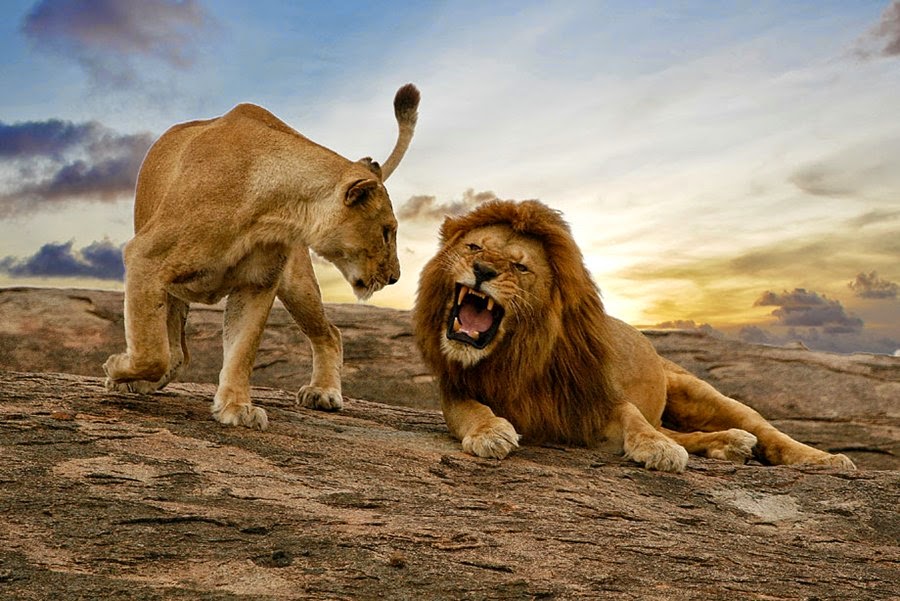

Snapshot of The Serengeti
- Home to the biggest part of the Great Migration
- Exceptional concentrations and variety of game
- Iconic savanna landscapes
Perfect for
- The Great Migration
- Exceptional wildlife viewing
- Iconic safari experience